Published By Olumide Donald On Sunday May 25,2025
In times of uncertainty, crisis, and political tension, the role of the media becomes critically magnified. Journalists are not just conveyors of facts; they are also stewards of national stability, peace , and collective consciousness. Like the proverb’s double -edged sword, the media can either help rebuild a fractured society or deepen its wounds. As such, their power to restore the people’s trust through information and strategic communication is both a responsibility and a necessity.

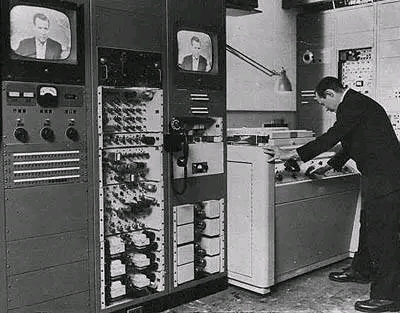
The Dual Role of The Media
The media occupied a unique position in society, it is both a mirror and a molder.While it reflects the realities on the ground, it also shaped public perception and dialogue. In times of brewing political, social, or economic storm, the media can act as ambassadors of peace, providing clarity, context and constructive discourse. However, when misused, they can become purveyors of anarchy, disseminating misinformation, inflaming tensions, and eroding trust in public institutions.
This duality makes ethical journalism indispensable. By adhering to truth, fairness, and balance, journalists can diffuse tensions, promote dialogue, and foster reconciliation. By contrast, sensationalism, bias, and fake news can tear at the fabric of society.
Restoring Trust Through Accurate Information
Trust is the cornerstone of any democratic society.When people lose faith in their leaders, institutions, or one another, society risks descending into chaos. In such moments, the media has a pivotal role to play in rebuilding this trust. Accurate and timely information serves as a stabilizing force. it demystifies uncertainty, counters rumours, and provides citizens with a basis for informed decision making.


For example, during elections, responsible media coverage can help prevent violence by providing real time updates, clarifying electoral processes, and correcting falsehoods before they spread. During health crisis or natural disasters, transparent reporting can guide public behaviour, ensure accountability, and uphold public confidence.
Strategic Communication as a Tool for Peace building.
Beyond news reporting, strategic communication is a powerful tool for national healing and unity. This involves planned efforts to shape public narratives, foster understanding, and promote peace through storytelling, media campaigns, and public dialogue.
Campaigns that highlight shared values, human stories, and community resilience can bridge divides and inspire hope. Moreover, inclusive communication– one that reflects the voices of all segments of society, including the marginalized, reinforces the idea that everyone belongs and matters.
Media platforms can also serve as mediators, between state and citizens, translating policies, explaining reforms, and holding power to account in ways that strengthen democratic engagement.
On a parting short, it is believed that in a time when misinformation travels faster than truth and divisions threaten party or national cohesion, the media’s role in restoring the people’s trust cannot be overstated. Journalists must rise as ambassadors of peace, guided by truth, compassion, and public interest.
Through responsible information dissemination and strategic communication, the media can not only calm the storm but Aldo chart the course to a more informed, united, and resilient society.
#MediaAToolForParty/NationalCohension
#JournalistAsAmbassadorsofPeace
#EditorialReviewOnTheRoleofStrategicCommunication
#RestorePeople’sTrustAndPublicInterest
#PeaceBuilding


 Ayobo/IpajaTV.com