Published by Olumide Donald, Friday 01,2025
The month, of August carries s symbolic weight that transcends the pages of modern calendars. Far from bring a Ransome label, it is a name deeply rooted in classical antiquity, specifically a part of Roman Pantheon and mythology.
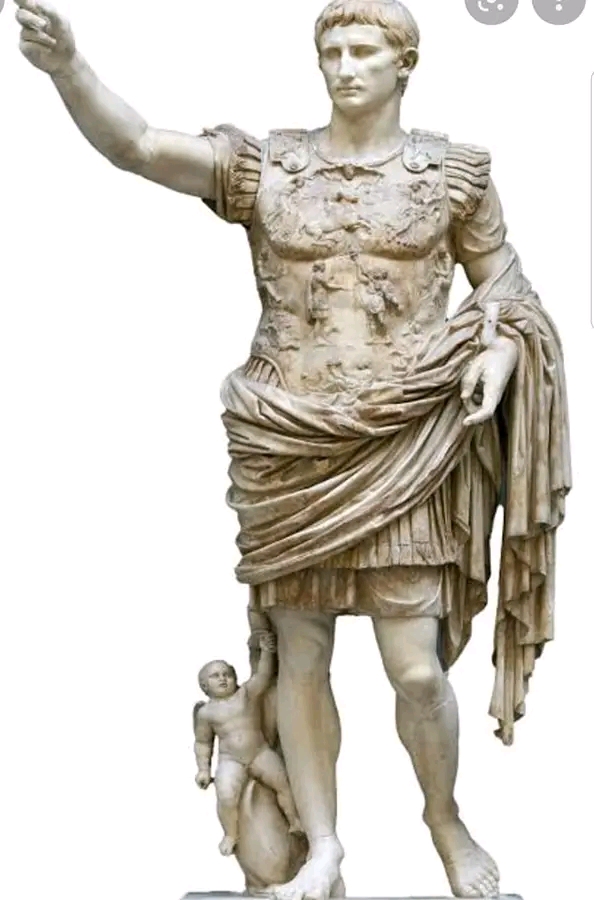
Originally called Sextilis, prior to the sixth month of the medieval Roman calendar, it was renamed Augustus in 8 BCE in honor of Emperor Augustus Ceaser, the adopted son of Julius Ceaser. The change was not arbitrary but a deliberate act of cultural symbolism embedding power,legacy, and imperial identity into the structure of time itself.
The Cultural Symbolism of the Gregorian Calendar
”He who controls the calendar controls history,” one might say the Gregorian calendar, introduced by Pope Gregory XIII in 1582, was a correction to the older Julian calendar. It refine the leap year system to bring the calendar in closer alignment with the Earth’s orbit around the sun, fixing the drift that caused misalignment with seasons and religious festivals like Easter. But beyond its astronomical function, The Gregorian calendar consolidated a worldview, one that blended Christian theology, Roman imperial legacy, and cultural mythology.
- Calendar as Cultural Power: By retaining names like January (Janus,Roman god of beginnings) March (Mars god of war), and August (Augustus Ceaser), the calendar became more than a tool of timekeeping, it became a cultural artifact. Each month awrvesas a reminder of the myths, rulers, and values of ancient Rome, embedded in daily life across continents.
- This reveals how calendrical systems can encode ideology.for instance.
- August stands as a legacy of Roman imperial ideology, immortalizing Augustus as a timeless icon of order, prosperity, and centralized power.
- The Gregorian calendar itself, with its Christian underpinnings (Anno Domini/Before Christ),reflects a theological worldview, shaping how the West and by extension much of the world conceptualizes historical progression.
- Myth, Memory and Civilizational Continuity: Myths are public dreams,wrote philosopher Joseph Campbell, and dreams are private myths.
- In naming months after gods and emperors, cultures give permanence to otherwise fleeting concepts, power, war, rebirth, fate. The Symbolic heritage passed down in the Gregorian calendar offers continuity, even in modern secular societies.
- For example, August, often a month of harvest, heat, and celebration, aligns fittingly with the symbolism of Augustus a leader who ushered in the Pax Romans, a golden age of Roman peace and plenty.
- Global influence if the Gregorian Calendar: Despite being a product of Western cultural and religious history, the Gregorian calendar has become globally dominant. Used by most countries for civil and economic life, it reflects the hegemony of Western culture yet also a shared practical necessity in a globalized world.
- From stock markets in Tokyo to political events in Nairobi and religious celebrations in Rio, the Gregorian calendar is the temporal infrastructure of modern civilization.
- In essence, the Gregorian calendar is not just about time, its about identity, power, and historical consciousness. Each date we write, each month we reference, is a subtle nod to a cultural inheritance shaped by Mythology, religion and empire. ” Time is the moving image of eternity wrote Plato. In the Gregorian calendar, eternity moves with symbols,and August named after a Roman emperor,reminds us how civilizations inscribe their values into the rhythm of our lives.
 Ayobo/IpajaTV.com