Published By Olumide Donald On Friday June 13,2025
Still Basking in the June 12 Democracy Day, the nation is once again called to remember a moment in its history that reshaped the democratic landscape. —the annulled June 12,1993 presidential election, believed to be the freest and fairest in the country’s history.
But beyond the symbolism, the rallies and the presidential speeches, one pressing question remains: Who truly deserves the honor that comes with this day— the political elite, or the common man whose voice and bote were stolen, yet never silenced?
The Common Man: Democracy Unseen Pillar
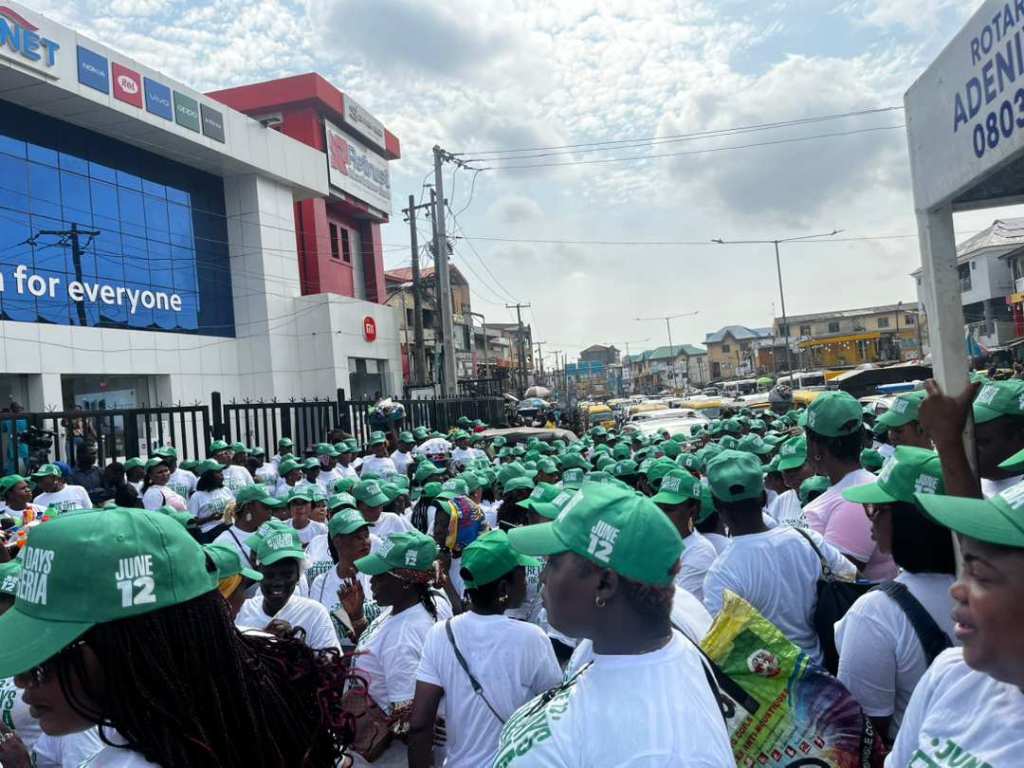
History has shown that while politicians and activists may initiate movements, it is often the ordinary citizens –the market woman,the struggling youth, the taxi driver and the rural farmer, who pay the price and carry the burden of political turbulence.
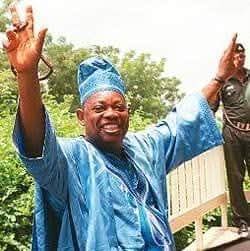
On June 12, 1993, millions of Nigerians defied ethnic, religious, and regional divided to vote massively for Chief Moshood Kashimawo Abiola, in what was seen as a national unity mandate. Yet, in one decree, the will of the people was cast aside by the military establishment.
In the aftermath, civil liberties were crushed, lives were lost, businesses destroyed, and hope deferred. But it was the ordinary Nigerian who suffered the most, enduring arrests, economic hardship, curfews, and fear. While political actors went into exile, formed pressure groups like NADECO,or received foreign asylum, the common man stayed behind to bear the brunt of military tyranny, waiting for democracy to be restored.
Economic Phases of Nigeria’s Political History:A People’s Burden
1.Oil Boom & Military Rule (1970s—1983):
The so- called ” oil boom” era crested the illusion of prosperity but failed to build a resilient economy.While government officials enjoyed foreign trips and contracts, the common man saw little infrastructural or educational advancement.
2.SAP Years (1986-1993)
Under General Ibrahim Babangida’s regime and the Structural Adjustment Program (SAP(, the economy took a nosedive. The naira collapsed, inflation soared, and poverty increased exponentially. The average Nigerian lost purchasing power, and social services deteriorated.
3.Post- June 12 and Abacha Era (1993-1998):
Following the annulment, Nigeria entered one of it’s darkest political periods. Dissent was crushed, and human rights were grossly violated. Economically, foreign investment declined, and Nigeria became a pariah state. Yet, the masses found resilience in faith, hope , and solidarity.
4. Civilian Rule and Return to Democracy (1999–Present):
Despite successive Democratic administrations, economic growth has been inconsistent. The poor still face insecurity, unemployment, power shortages, and inflation. The same elites who stood against the military now preside over governance, often disconnected from the realities of the people who suffered to usher them in.
Who Really Deserves the Honor?
While history rightly recognizes the bravery of Chief MKO Abiola, President Bola Ahmed Tinubu, and other NADECO veterans, it is important that we do not forget the common Nigerian who stood in line to vote, who protested when it was dangerous,who was beaten or hailed for voicing out dissent, an who continues to believe in a country that often fails them. The real honor of June 12, many argue, should go to the silent majority, those who voted with hope, suffered in Silence,and never stopped dreaming of a better Nigeria.
What June 12 Must Now Mean
June 12 must evolve beyond a day of ceremonial rhetoric. It must become a platform for: Institutional reflection, are we honoring democracy only in name?
.Economic reform:How are policies serving the common man?
.Political accountability: Are those who fought for freedom upholding it in office?
.Historical justice: Have we compensated the families of those who died in the struggle?
June 12 matters— but it must matter not just to politicians giving speeches or receiving post humous awards. It must matter to the okada rider facing fuel scarcity, the graduate without a job, and the widow of a protester who never returned home in 1993.
Until democracy begins to work for the common Nigerian, the spirit of June 12 remains incomplete. True honor lies not only in remembering the past but in delivering justice, equity, and prosperity to the very people who bled for it.
#DemocracyDay #June12 #NigeriaRising #HonorThePeople
 Ayobo/IpajaTV.com